Understanding the Complex Architecture of Autistic Minds
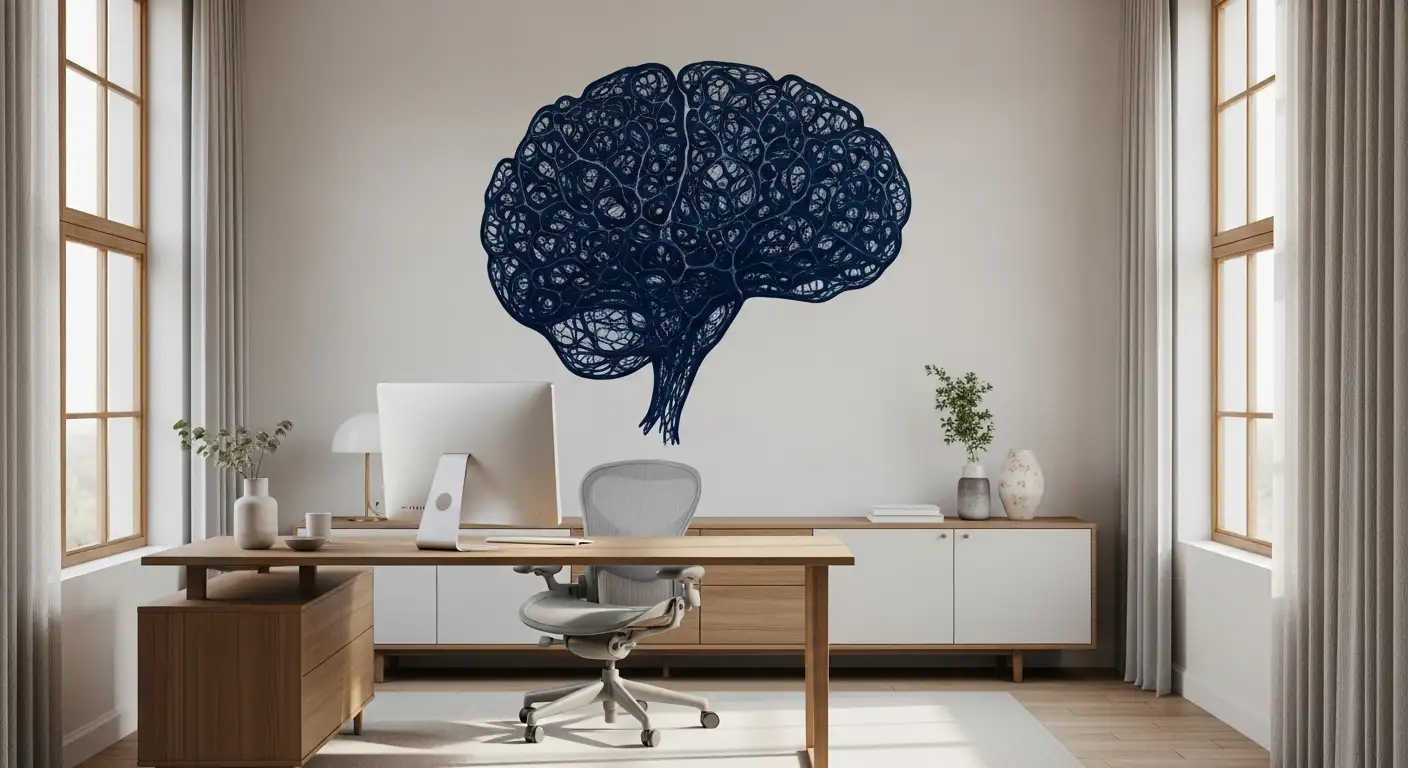
Autism Spectrum Disorder (ASD) is a multifaceted neurodevelopmental condition marked by distinct structural and functional brain variations. Advancements in neuroimaging, genetics, and cellular studies have opened new avenues for understanding how autistic brains develop, operate, and influence behavior. This article explores the neurobiological underpinnings of autism, shedding light on how biological differences shape sensory processing, cognition, and brain connectivity, ultimately offering insights to improve diagnosis, intervention, and support for autistic individuals.
Structural Brain Differences in Autism
How does autism influence sensory processing, strengths, and cognitive patterns?
Autism has a profound impact on how individuals process sensory information. Many autistic people experience sensory hyper- or hyposensitivity across a variety of stimuli, such as sounds, sights, textures, and movements. For example, they may find certain noises overwhelming or seek out intense tactile stimulation. These sensory differences often result in challenges with daily activities, social interactions, and learning.
Despite these challenges, many autistic individuals possess remarkable strengths. They often display exceptional attention to detail, strong memory skills, and intense focus on areas of interest like math, art, or music. Their cognitive processing tends to differ from neurotypical patterns; they may focus more deeply on specific topics, recalling details others might overlook.
These unique sensory and cognitive styles mean autistic brains process and interpret the world differently. Recognizing these differences can guide tailored interventions, supporting their sensory needs and leveraging their strengths for better outcomes.
How does autism affect brain development and neural functioning?
Autism influences brain development through a complex interplay of genetic and neurobiological factors. Genetic mutations and variations affect genes involved in synaptic proteins, neuronal signaling, and activity-dependent gene regulation, leading to altered neural connectivity.
Early brain overgrowth is common in autistic children, particularly in the first 24 months, with regions like the frontal and temporal lobes enlarging rapidly. This is followed by developmental phases where growth may slow or stabilize. Structural changes include variations in neuron size and density, especially in the amygdala and cerebellum, impacting emotional processing and coordination.
Functionally, autistic brains exhibit disrupted network connectivity. There is often reduced long-range communication between distant regions (hypoconnectivity) and increased local connections (hyperconnectivity). These alterations can affect processes from social cognition to executive functioning, resulting in challenges with social skills, communication, and flexible thinking.
Interestingly, some aspects of neural wiring may be modifiable even in later development, suggesting potential avenues for targeted therapies and interventions aimed at promoting neural plasticity.
What are the differences in information processing and cognition between autistic and neurotypical individuals?
Individuals with autism often display a distinctive pattern of information processing. They tend to perceive more details at once—sometimes described as a higher perceptual capacity—allowing them to excel in detailed visual tasks and pattern recognition.
Autistic individuals may prioritize information based on personal relevance (monotropism), leading to prolonged focus on interests. They might encode social cues less implicitly and rely less on rapid decision shortcuts used by neurotypical individuals, resulting in a slower processing pace.
This style of cognition allows for advanced memory and problem-solving in specific areas, but can make filtering irrelevant information difficult, especially in overwhelming environments. They also evaluate incoming information more thoroughly, considering past experiences and possible outcomes—traits that reflect the neural circuitry's distinct connectivity and processing pathways.
In summary, their cognitive approach combines strengths like detail-oriented thinking with challenges in social filtering and rapid adaptation, shaping their unique view of the world.
What are the neurobiological and structural differences in autistic brains?
Autistic brains are distinguished by several neurobiological and structural features. Notably, there is often early brain overgrowth, mainly affecting the frontal and temporal lobes, which influences developmental trajectories. Overgrowth is seen as increased volume and gray matter density during early childhood.
Structurally, key regions such as the amygdala, hippocampus, cerebellum, and prefrontal cortex show variations in size and shape across different ages. For instance, enlarged amygdalae in childhood tend to normalize or decrease in size in adulthood, highlighting dynamic developmental changes.
White matter connectivity, crucial for efficient neural communication, often displays abnormalities. Reduced integrity and altered fiber tracts, like those in the corpus callosum, can impair the integration of information across hemispheres.
At the cellular level, studies have noted lower synaptic density and different neuron size or density, impacting how signals are propagated and processed throughout the brain. These differences collectively shape the cognitive and behavioral profile of autism.
What are the neurological and genetic factors underlying autism?
The neurobiology of autism involves a complex genetic foundation that influences brain development and connectivity. Hundreds of genes are associated with autism, many affecting synaptic formation, neuronal signaling, and gene expression related to neural plasticity.
Genetic variations such as mutations, copy number variations, and epigenetic modifications can disrupt typical brain wiring. Notable genes include MET, SHANK3, and CHD8, which are involved in synapse regulation and neural circuit formation.
These genetic factors often lead to structural differences observed via neuroimaging, like early brain overgrowth or atypical connectivity patterns. They also influence neurotransmitter systems, including serotonin and GABA, which regulate mood, arousal, and social behavior.
Heritability estimates suggest a high genetic contribution, although environmental influences also play a role, interacting with genetic predispositions to shape neurodevelopment.
What is the latest scientific research on brain differences associated with autism?
Recent research offers deep insights into the brain features of autism. Studies have identified sex-specific developmental differences—such as thicker cortices in young autistic girls—and adult-related changes in cortical thinning patterns.
Neuroimaging and postmortem analyses reveal neuron density variations in regions like the superior temporal gyrus, involved in language and social perception. Notably, immune-inflammatory processes are increasingly linked to autism, with microglia (brain immune cells) showing altered activity.
Gene expression studies highlight differences in genes controlling synaptic function, immunity, and inflammation, which evolve over the lifespan. There are also molecular overlaps with neurodegenerative conditions like Alzheimer’s, hinting at common pathways of neural decline.
Overall, the current scientific consensus emphasizes that autism affects multiple levels—from cellular and molecular mechanisms to large-scale brain circuits—underscoring the importance of integrative research approaches.
How do autistic brains differ from neurotypical brains from a scientific perspective?
Scientifically, autistic brains differ from neurotypical ones primarily in structure, connectivity, and cellular composition. Autistic brains tend to have approximately 17% lower synaptic density across the entire brain, correlating with core traits such as communication difficulties.
Structurally, there is increased gyrification—more folds—in specific regions like the temporal and parietal lobes, although individual variability is high. Brain symmetry tends to be more pronounced in autism, though this isn’t diagnostic.
Connectivity patterns reveal decreased long-range communication between distant brain regions—hypoconnectivity—and local overconnectivity, which affects information integration and behavior.
At the microstructural level, variations in neuron size, density, and white matter integrity contribute to how signals are transmitted. These differences underpin many of the cognitive and behavioral features associated with autism.
This evolving understanding underscores that autism reflects a spectrum of neural arrangements rather than a single brain structure, emphasizing the importance of personalized approaches to support and intervention.
More Information: Search queries such as "neurobiology of autism," "brain structure in ASD," "neural connectivity in autism," "genetic factors in autism," and "latest autism brain research" can further deepen understanding of these neurological differences.
The ongoing research continues to unveil how diverse brain wiring shapes the autism spectrum, with promising prospects for improved diagnosis, tailored therapies, and public awareness of neurodiversity.
Neuronal Connectivity and Synaptic Variations
How does autism influence sensory processing, strengths, and cognitive patterns?
Autism significantly influences how individuals perceive and respond to sensory stimuli. Many autistic people experience atypical sensory processing, which can include hypersensitivity or hyposensitivity across various senses such as touch, sound, and light. For instance, some may be overwhelmed by loud noises or bright lights, while others might seek intense sensory input like spinning or touching textures.
These sensory differences are linked to unique brain activity patterns. Neurophysiological studies reveal that responses to sensory information in regions like the auditory and visual pathways are often atypical, contributing to challenges in communication and social recognition.
Despite these challenges, many autistic individuals have remarkable strengths. Their heightened perceptual capacities allow them to focus on details others might miss, such as recognizing patterns or noticing subtle changes in their environment. This can translate into skills in areas like math, art, or memory, as they excel at processing specific types of information.
Cognitively, autistic minds tend to prioritize their interests intensely and may encode information differently. These traits influence behavior and learning styles, emphasizing the importance of tailored supports that leverage their strengths while accommodating sensory needs.
Understanding these sensory and cognitive patterns helps in designing environments and interventions that support the diverse needs of autistic individuals, promoting their well-being and maximizing their potential.
Genetic and Molecular Insights into Autism
What are the neurological and genetic factors underlying autism?
Autism Spectrum Disorder (ASD) is rooted in complex neurodevelopmental processes heavily influenced by genetics. Researchers have identified hundreds to thousands of genes that play roles in the development of the autistic brain. These include genes such as MET, CHD8, SHANK3, and FMR1, which are involved in neural signaling, synaptic communication, and neural circuit formation. Variations like mutations, copy number changes, and epigenetic modifications disrupt typical brain development. Structural studies show atypical brain growth patterns—such as early brain overgrowth and abnormal white and gray matter distribution. These differences contribute to altered connectivity between brain regions responsible for social, cognitive, and emotional functions. High heritability estimates, around 80-90%, highlight the genetic contribution, reinforced by evidence for de novo mutations that are not inherited but occur spontaneously. While genetics play a major role, environmental factors and epigenetic mechanisms also influence risk, making autism a result of complex interactions between genes and the environment.
What is the latest scientific research on brain differences associated with autism?
Recent advances in neuroimaging and molecular biology have revealed extensive differences in autistic brains. Notably, some studies show sex-specific patterns, such as thicker cortices in young autistic girls and varied cortical thinning across ages. Postmortem and imaging studies have uncovered region-specific variations in neuron density and wiring, especially in regions linked to social behavior like the amygdala and cortex. Microglial cells, the brain’s immune cells, are also altered—they show activation patterns suggestive of ongoing immune responses. Gene expression profiling reveals widespread transcriptomic alterations. These changes involve immune responses, synaptic pathways, and inflammation, and evolve across an individual’s lifespan. Overall, current research underscores that autism involves widespread neural and cellular differences across the entire brain, involving complex interactions between genetics, cellular activity, and developmental timing.
How do autistic brains differ from neurotypical brains from a scientific perspective?
Scientifically, autistic brains are characterized by several distinct structural and functional features. Synaptic density is approximately 17% lower overall, which can influence neural communication and lead to core autistic traits like difficulties in social interaction and communication. Autistic brains often exhibit increased folding (gyri and sulci) in specific lobes such as the parietal and temporal regions. There is also more symmetry across hemispheres, although these features are subtle and not definitive diagnostic markers. Connectivity patterns differ notably: autistic brains tend to have reduced long-range connectivity affecting communication between distant regions, alongside localized overconnectivity. This imbalance impacts cognitive functions like social reasoning and motor coordination. At a microstructural level, variations in gray and white matter are observed—these relate to altered neuron density and myelination patterns that influence information processing. These differences collectively contribute to how autistic individuals perceive, process, and respond to the world, highlighting that autism is a difference in brain organization rather than a deficiency.
Behavioral and Environmental Correlates
Early signs of autism in infants and children
Children with autism often exhibit signs that can be noticed in early childhood, frequently before the age of two. These include a lack of response to their name, limited sharing of interests or experiences, and challenges with eye contact. Infants may show delayed or absent social smiles, reduced responsiveness to social cues, and engage in atypical repetitive behaviors. As children grow, social difficulties become more prominent, such as struggling to understand social cues, maintaining peer relationships, and imitating others. Recognizing these early indicators is crucial because early diagnosis enables support that can significantly improve developmental outcomes.
Impact of early intervention
Early intervention holds a vital role in shaping developmental pathways for children with autism. Initiating therapy before age three, including behavioral interventions, speech therapy, and social skills training, can lead to notable improvements. Such interventions maximize the brain's plasticity during critical years, facilitating the development of more typical neural pathways. Children who receive early support often demonstrate better progress in language acquisition, social skills, and adaptive behaviors. These early efforts not only promote immediate developmental gains but also set the foundation for increased independence and quality of life in later stages.
Co-occurring conditions and their influence on brain differences
Many individuals with autism also experience additional conditions, such as ADHD, anxiety, epilepsy, or sensory processing disorder. These co-occurring conditions can influence neurodevelopmental trajectories, often intensifying typical challenges. For example, epilepsy signals underlying neural hyperexcitability, while anxiety may relate to alterations in the amygdala, impacting emotional regulation. The presence of these conditions demands comprehensive, individualized support plans. Understanding how they intersect with brain differences allows clinicians and caregivers to tailor interventions that address both core autism features and associated conditions, improving overall outcomes.
Environmental factors influencing autism development
Environmental influences play a role in autism development alongside genetic factors. Prenatal exposures to maternal infections, stress, and toxins, as well as perinatal complications like hypoxia or premature birth, can adversely impact neural circuitry formation. Additionally, exposure to neurotoxins, environmental pollutants, and certain medications during critical periods of brain development can affect synaptic pruning and neuronal connectivity. Recent research suggests that epigenetic modifications—changes in gene expression driven by environmental factors—may also contribute to autism risk. Although genetics is the predominant determinant, these environmental aspects may shape the severity and specific features of autism spectrum disorder, emphasizing the importance of minimizing exposure to harmful substances during pregnancy and early childhood.
Implications for Support, Diagnosis, and Future Research
How is autism diagnosed today, and what biomarkers are involved?
Autism spectrum disorder (ASD) is primarily diagnosed through behavioral assessments, such as developmental screenings and standardized tools like the Autism Diagnostic Observation Schedule (ADOS). Currently, there is no single laboratory test that definitively diagnoses autism. However, advances in neuroimaging techniques, especially magnetic resonance imaging (MRI), have revealed structural differences in autistic brains, including variations in cortical folding, gray and white matter volumes, and specific regional abnormalities like the amygdala and corpus callosum.
Molecular research has uncovered gene expression patterns and synaptic densities that serve as potential biomarkers. For instance, studies using positron emission tomography (PET) scans measure synaptic density, showing that autistic adults have about 17% lower synaptic density across the brain compared to neurotypical individuals. Genetic testing for specific gene variants involved in brain development can support diagnosis, particularly in complex or atypical cases. The combination of behavioral, neuroimaging, and genetic data is enhancing early and more accurate detection, paving the way for precise interventions.
What role does neuroimaging play in understanding autism's neural basis?
Neuroimaging is central to unraveling the neurobiological underpinnings of autism. MRI scans allow researchers to visualize and measure differences such as increased cortical folding (gyri and sulci), variations in regional brain volume, and abnormalities in key areas like the hippocampus, amygdala, and cerebellum. For example, some studies highlight enlarged hippocampi in early childhood, while others note that the amygdala size varies across different stages of development.
PET imaging provides insights into neuronal activity and synaptic density in vivo, offering direct evidence of alterations in neural circuitry. These imaging approaches have revealed patterns such as hyperconnectivity in certain regions and hypoconnectivity in others, especially within the default mode network (DMN). They also help track developmental trajectories and response to therapies, refine early diagnostic markers, and identify neurobiological targets for future treatments.
How can insights into brain differences inform personalized support and intervention?
Understanding the neurodevelopmental features unique to each individual makes support strategies more effective. For instance, knowing that some autistic individuals have heightened sensory sensitivities guides the use of sensory integration therapies. Connectivity and structural imaging findings can inform targeted behavioral interventions, such as social skills training tailored to specific neural circuitry differences.
Genetic and neuroimaging profiles can predict how individuals might respond to particular therapies, leading to personalized education plans and support environments. Recognizing individual strengths—such as exceptional visual pattern recognition or detailed memory—allows practitioners to leverage these skills in learning and employment contexts. The future of autism support aims to move toward more personalized, precision-based approaches that optimize outcomes by aligning interventions with each person’s unique neurobiological makeup.
What are the promising avenues for future autism research and therapy?
Research is increasingly focused on elucidating the molecular, genetic, and cellular foundations of autism. Gene editing technologies and neural circuit modulation are among the promising therapeutic strategies. The use of stem cell techniques to develop brain organoids offers models to study neurodevelopmental trajectories, immune system interactions, and potential neuroprotective treatments.
Identifying reliable biomarkers for early detection remains a priority, with molecular signatures, imaging markers, and electrophysiological patterns under investigation. Novel approaches include targeting synaptic dysfunction, reducing brain inflammation, and employing neuromodulation methods such as transcranial magnetic stimulation (TMS). Integrating multidimensional data—genetic, neuroimaging, behavioral—will facilitate highly tailored interventions, ultimately aiming to enhance quality of life and societal inclusion for autistic individuals. These advancements hold the promise of shifting from solely managing symptoms to modifying neural circuits and supporting neurodevelopmental resilience.
Advancing Our Scientific Understanding of Autism
As research continues to unravel the intricate neurobiological and genetic makeup of autism, new horizons emerge for early diagnosis, tailored interventions, and effective therapies. These advancements highlight the importance of viewing autism as a neurodivergent variation of human brain development, emphasizing strengths alongside challenges. The ongoing exploration of brain structure, connectivity, and molecular pathways informs not only our understanding of individual differences but also paves the way for innovative solutions that support autistic individuals across their lifespan. Embracing this scientific insight fosters a more inclusive society, equipped to meet the diverse needs of those on the autism spectrum.
References
- Autism Spectrum Disorder: Autistic Brains vs Non ... - Health Central
- A Key Brain Difference Linked to Autism Is Found for the First Time ...
- Brain structure changes in autism, explained | The Transmitter
- Information processing differences - Autism Understood
- How Does the 'Autistic Brain' Work? - Autism Parenting Magazine
- Autism Spectrum Disorder (ASD) Symptoms & Causes
- Understanding the Autism Brain - info for parents and teachers
- Introduction to Autism, Part 1: What is Autism?